Partners

TART aims to support active European citizenships thought elaborating, piloting and disseminating different projects and events in the field of sport, youth and environment. Prior its official establishment as an NGO, START was a non - formal group of young people, which worked at volunteering base and was involved in numerous sport, ecological and social events in the past years. Every one of START teams has different expertise in developing and managing projects at national and international levels mainly in the field of sport. The keys team members of START are former professional athletes, former and some of them current coaches and recreational athletes who have work experience in European project managements, sport federations and sports clubs managements, elaboration and implementation of coaches education programs and athletes training programs, development and implementation of personal and soft skill development courses, national and international sport events and elaboration of communication strategies, media planning and social media content. START is a non - profit association that promotes an active and healthy lifestyle while also advocating for ecological awareness and sustainability. The association is passionate about using sports as a means to raise awareness and actively participate in efforts to combat climate change. With a focus on environmental responsibility and in fulfillment of its sustainability strategy
Democritus University of Thrace (DUTH) is a well experienced higher educational institution, established in 1973. The Democritus University of Thrace is currently operating eight Faculties and nineteen Schools in four cities, with more than 620 permanent academics and more than 15000 students. As a university with a focus on sustainability, DUTH has experience in promoting sustainable practices and principles in sports organization management. DUTH has also a rich project management background, profound expertise in Science of Physical Education and Sport, innovative methodologies and training programs elaboration, formal teaching and learning methods, rehabilitation programs for athletes, development of Health & Sports and cultivation of the athletic ideal all over Greece. One of the schools of the DUTH is School of Physical Education and Sports Science (SPESS), having more than 52 permanent academics and more than 1.500 students is very active in the field of HEPA.
Association for Comprehensive Education, Sport and Arts (AFIESA) is a grassroots organization, having expertise in skills development through ETS, non-formal education methods and entrepreneurship. The Association is newly established and is committed to fostering holistic development through education, sports, and arts programs. It supports and strengthens the capacities of organizations and various institutions for gender-balanced policies, non-discrimination, inclusion. The founders of AFEISA are experienced academics and professors from various universities in North Macedonia, each with over 15 years of teaching and research experience in education, physical activity, sports, entrepreneurship and art. The organization aims at creating a vibrant community where individuals of all ages have access to quality education for skills and competences development, sports opportunities, and artistic expression, fostering personal growth and social cohesion. The team members have expertise in developing e-learning tools; skills development via education through sport; sports programs for individuals of all ages and abilities, including training, competitions, and recreational activities; arts and cultural programs, encouraging creativity, entrepreneurial spirit and self-expression.
The project target groups are:
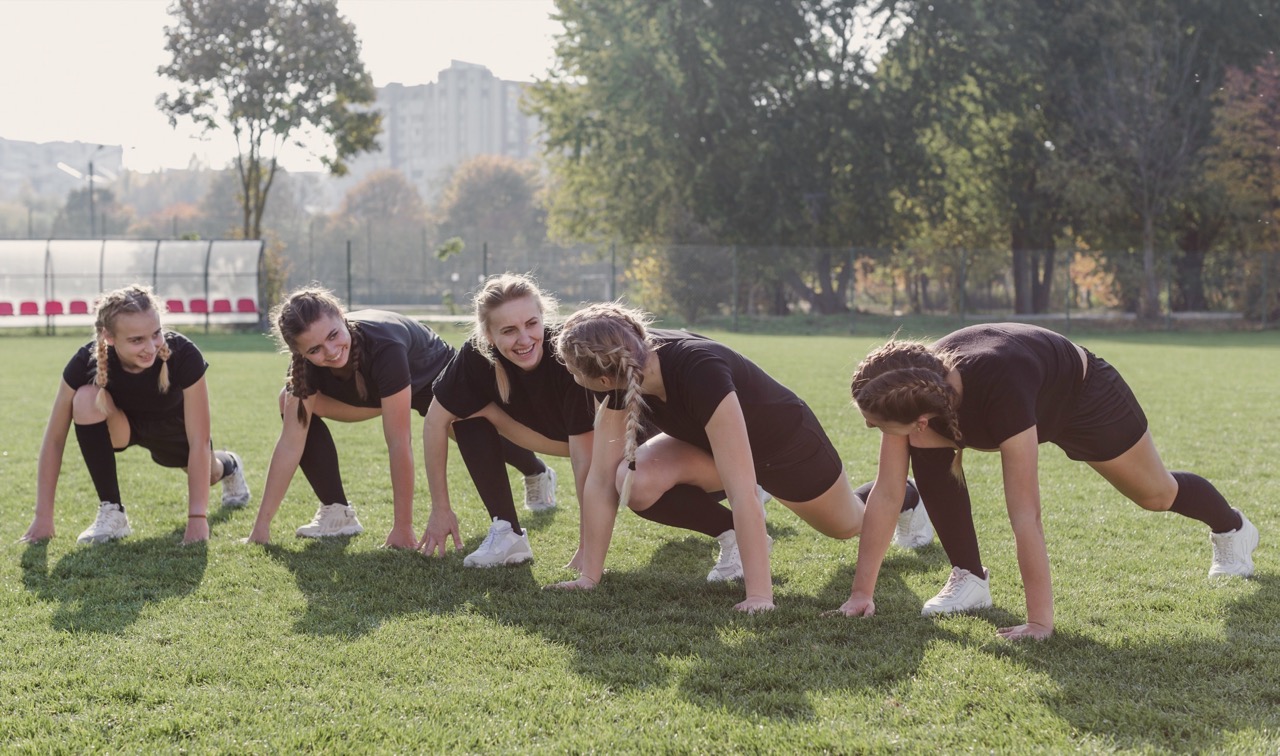
The Direct target groups:
- young people at the transition from secondary school to university, aged 15-19 years old [1/4 with fewer opportunities due to socio-economic reasons and/or differences in ethno-religious background] and
– team members of sport clubs;
Indirect group:
- coaches, trainers, youth workers, physical education teachers and educational institutions who will be potential users of the #SportClubsYouth4Sustain project intellectual outputs and the Virtual Platform for enhanced sports management, youth and sustainable development.
Project Objectives
1
Matching key entrepreneurial transversal competences, identified by the EntreComp conceptual model of the EC [such as: planning and management; taking the initiative; working with others; coping with uncertainty, ambiguity and risk; learning through experience] with key GreenComp competences in sustainability [such as: valuing sustainability, supporting fairness, promoting nature], presented in the European Commission JRC report on “Sustainability competences 2020” in innovative combination of eco-entrepreneurial competences. Thus promoting entrepreneurship as a transversal skill and green skills among youth and staff members of sport clubs. (SO1)
2
3
Providing young people (including youth with fewer opportunities) and staff members of sport clubs of all ages with opportunities to find out about the climate change, global warming and sustainability management trough sport and in non-formal education, and to make learning for the green transition a priority in the two Eco-entrepreneurial Sports Bootcamps – for Sport Clubs (during the EU Green Week) and for Youth (during the European Week of Sport). (SO3)
4
5
Enabling behavioural changes for individual preferences, environmental awareness through education through sport among youth.Moreover providing training and support for sports club members on sustainable development principles in sport organization management, including reducing ecological footprints and promoting environmentally friendly behaviour. (SO5)

6
Creating a Virtual platform for enhanced sports management, youth and sustainable development, that includes e-library and a learning toolbox that embodies the: Innovative Methodology “Eco-entrepreneurial competences for Youth and Sports Clubs sustainable development”; the “Vademecum: Sports Clubs and Youth for Sustainable Development” for promoting green mind-set, skills and sustainable development through sport as well as supports the use of innovative practices to make learners, sport clubs team members and youth true actors of change. (SO6)
7
Organizing and participating in seven events and EU Green Week and European Week of Sport 2025, involving altogether more than 185 participants from the target groups: 1 KOM transnational meetings, 1 Virtual Coordination Meeting, two Eco-entrepreneurial Sports Bootcamps – for Sport Clubs (during the EU Green Week) and for Youth during the European Week of Sport, three press conferences at national level. (SO7)
8
Enhancing the transnational and cross-sectoral operational capacity of the participating organizations, enabling them to build stronger partnerships and deliver more sustainable outcomes. (SO8)